

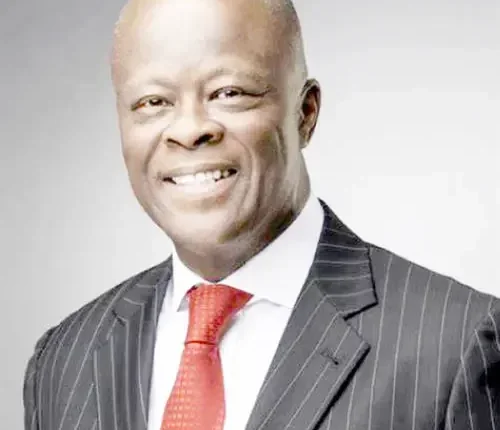
The Minister of Finance and Coordinating Minister of the Economy, Wale Edun, has contradicted President Bola Ahmed Tinubu on the 2025 revenue target claim, saying the government has only met N10.7 trillion out of projected N40.8 trillion.
The president had, while addressing stakeholders of the Buhari Organisation who visited him at the Presidential Villa in Abuja, declared that Nigeria had met its revenue target for 2025 ahead of schedule.
The prrsident said the government would no longer rely on borrowing to fund its budget.
Tinubu said his administration’s non-oil revenue drive had yielded enough to meet this year’s projections by August, reducing Nigeria’s dependence on external loans.
“Today I can stand here before you to brag: Nigeria is not borrowing. We have met our revenue target for the year and we met it in August,” Tinubu had said in September.
However, Edun said the federal government has recorded a wide revenue shortfall in the 2025 fiscal year, raising fresh concerns about the sustainability of Nigeria’s public finances.
He stated this on Tuesday during an interactive session with the House of Representatives Committees on Finance and National Planning.
The session was convened to discuss the 2026–2028 Medium Term Expenditure Framework (MTEF) and Fiscal Strategy Paper (FSP).
This follows the transmission of the MTEF and FSP to the House by President Bola Tinubu last Wednesday for legislative consideration and approval.
According to Edun, the federal government had projected ₦40.8 trillion in revenue for 2025 to finance the ₦54.9 trillion “budget of restoration,” which was designed to stabilise the economy, secure peace, and rebuild prosperity.
He said the actual revenue performance was significantly short of expectations, with total inflows for the year now projected to close at about ₦10.7 trillion.
Edun said, “The current trajectory indicates that federal revenues for the full year will likely end at around ₦10.7 trillion, compared with the ₦40.8 trillion that was projected.”
He attributed the shortfall largely to weak oil and gas revenues, particularly lower-than-expected collections from Petroleum Profit Tax and Company Income Tax paid by oil and gas companies.
The minister also cited underperformance across several non-oil revenue subheads, compounding the pressure on government finances.
Additionally, Edun disclosed that the government had borrowed about ₦14.1 trillion during the year in an effort to bridge the funding gap created by the revenue shortfall.